

Good for the host community and its working forests.
Green Grid is designed to be a strong local citizen, bringing jobs and tax revenue to the county while giving the region's loggers and mills a dependable new market.
Jobs, investment and a stronger tax base.
A project of this scale puts people to work and money into the community, during construction and for the long life of the plant.

Local jobs
Skilled construction work during the build, then long-term operations and maintenance roles once the plant is running.
County tax base
A substantial new industrial facility that adds taxable private investment to the county's base.
Regional spend
Ongoing purchasing from local loggers, haulers, contractors and suppliers keeps dollars circulating in the area.
The biggest number here is the one that repeats every year.
Most large industrial sites bring a construction boom and very little after it. Green Grid buys fiber from the regional forest economy for as long as the plant runs.
Institutional capital at the 100 MW stage, adding to the county tax base.
Recurring local spend across the 25-year power agreement, not a one-time construction bump.
659 of those are direct, 574 in forestry and logging plus 85 at the plant itself. Another 643 are indirect.
About 160 on site on average across the three-year build.
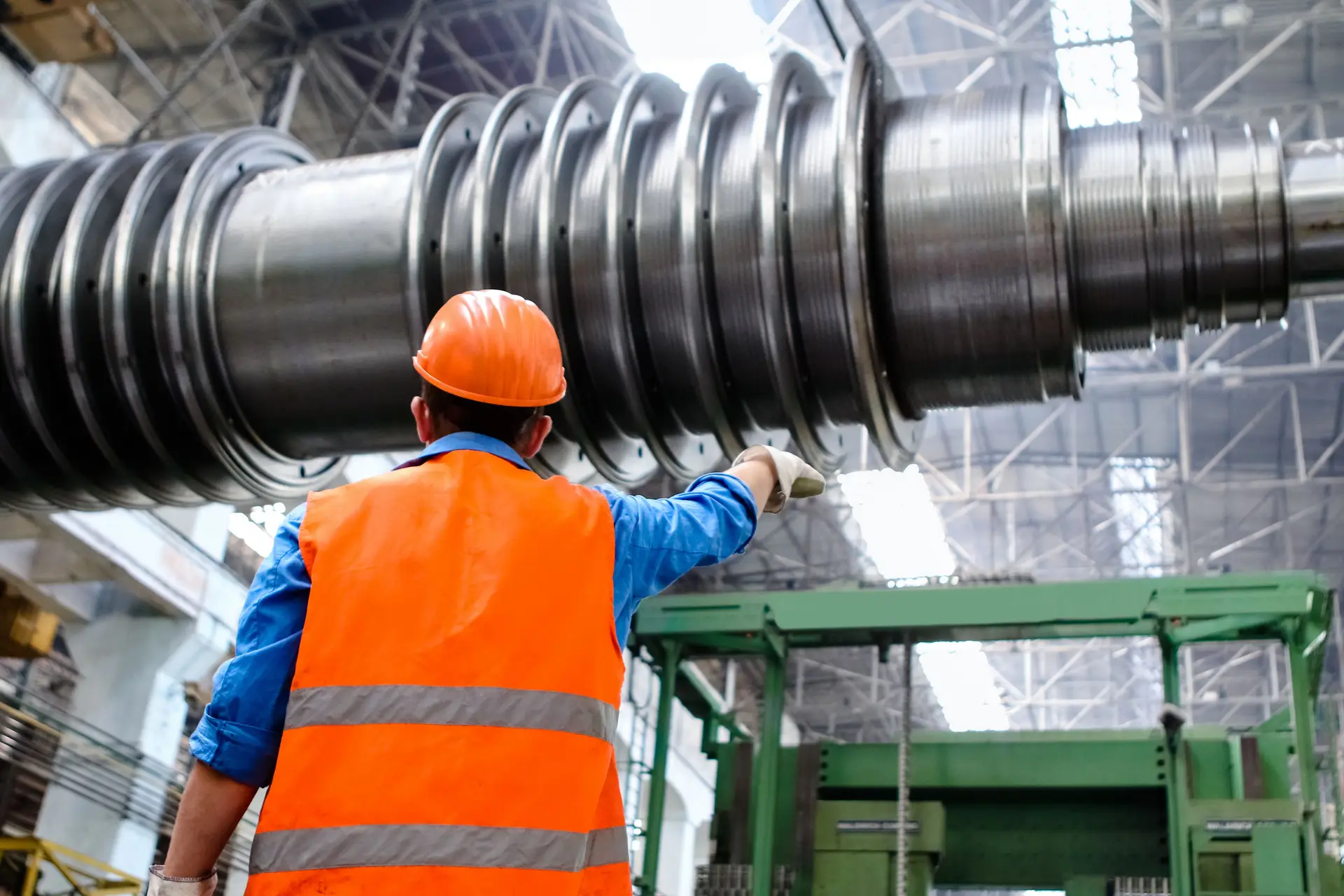
A plant like this runs on skilled trades.
These are the kinds of roles it takes to build it, then to keep it running year in and year out.
Operations
- Plant operators and control room
- Fuel yard and material handling
- Scale house and inbound logistics
- Truck drivers and hauling contractors
Skilled trades
- Maintenance mechanics and millwrights
- Electrical and instrumentation technicians
- Construction trades through the build
Technical and site
- Environmental, health and safety
- Laboratory and quality control
- Procurement foresters
- Site administration and management
Built to fit the community it sits in.
We know a project like this only works with the trust of the people around it. Our commitment is to be transparent about our plans, responsible in how we operate and responsive to the community throughout.

A dependable market that strengthens working forests.
Green Grid buys the low-grade wood that traditional lumber markets leave behind, so it complements the timber industry instead of competing with it.
- More revenue per tract from previously low-grade fiber
- Better harvest economics and load optimization
- Makes thinning operations financially viable
- Predictable, long-term regional fiber demand
- Clears storm debris and reduces wildfire fuel loads
- Supports healthier, actively managed forests
Work in forestry? Let's talk.
If you're a logger, landowner or mill in the region, we'd like to hear from you.